Coastal towns are rewriting the rules for living with rising seas
From living shorelines to homes built to float, seaside communities are trading the old promise of holding back the water for a new idea: making room for it.
By Amara OkaforSenior World Correspondent
2 min read
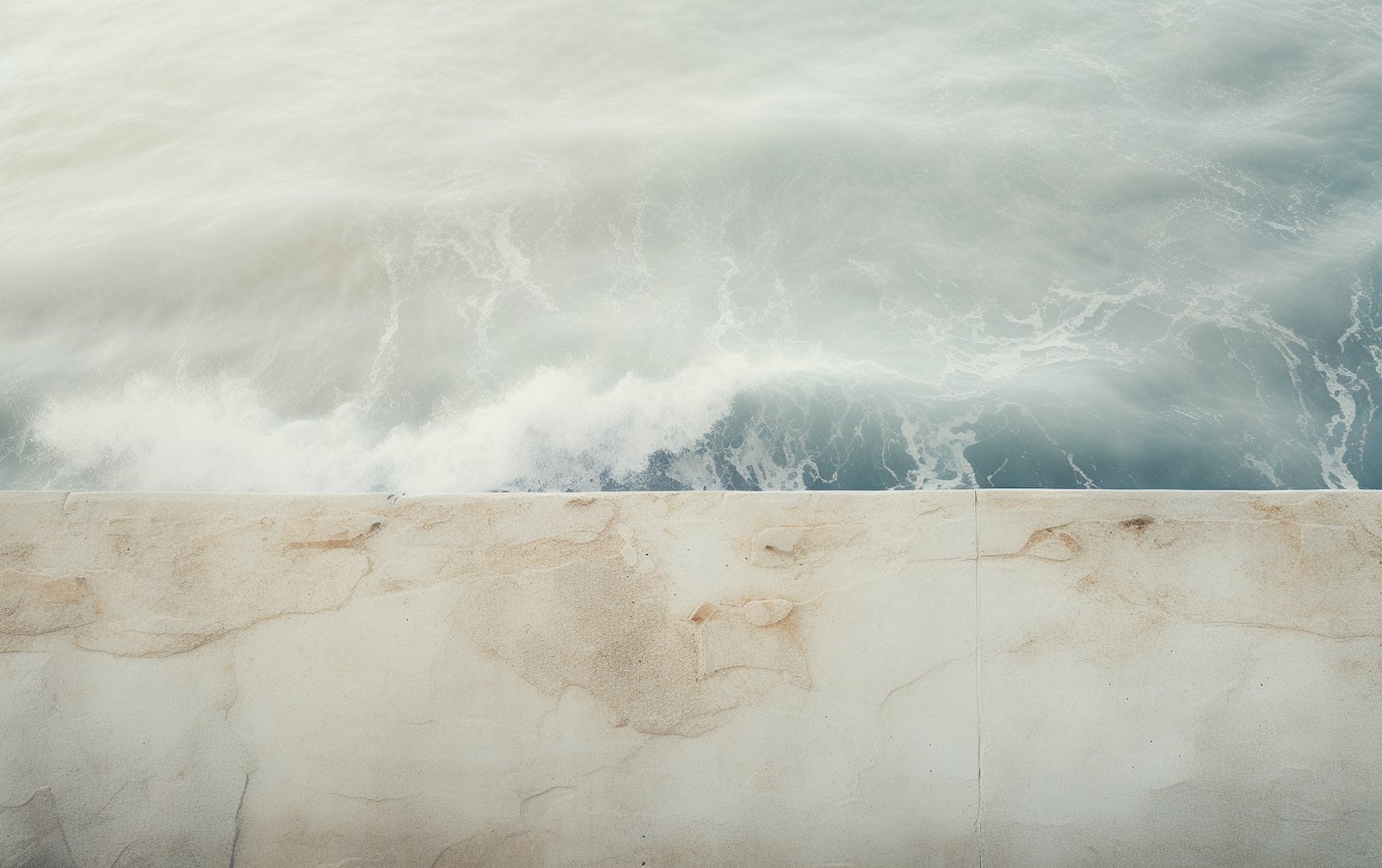
For most of the last century, the plan for a town by the sea was simple: build the wall higher. Concrete was the answer to storms, and every decade brought a new layer of it. That plan is quietly being retired.
Across dozens of coastal communities, planners are swapping the language of defence for the language of adaptation. Instead of promising that the water will never come in, they are deciding where it can come in safely, and what should move out of its way.
Making room for the water
The most visible change is what engineers call living shorelines: salt marshes, oyster reefs, dunes and mangroves restored in front of hard defences. They soften the energy of waves before it reaches the wall, and unlike concrete, they can grow upward as sea levels rise.
Behind the shoreline, zoning maps are being redrawn. Low lying car parks are being designed to flood and drain. Ground floors in new buildings are being raised or left for storage, and electrical systems are moving to the roof. In a few places, architects are testing amphibious homes that sit on the ground in calm weather and float upward when floodwater arrives.
The question is no longer whether the water will arrive. It is what the town looks like when it does.
The hardest conversation
The most difficult part of the shift is managed retreat: helping households and businesses relocate from the places most at risk. It is expensive, emotional and politically fraught, and very few places have done it at scale. Where it has worked, it has usually been voluntary, generously funded and planned years before a disaster forced the issue.
Insurers are adding pressure from the other side. As premiums climb in exposed areas, many families are discovering that the cost of staying is rising faster than the water itself.
What to watch
- Whether national governments set aside long term funds for relocation rather than one off disaster relief.
- How quickly building codes in coastal zones catch up with the latest flood maps.
- Whether nature based defences are maintained after the ribbon is cut, which is where many past projects have failed.
None of these changes will make the headlines that a storm does. But together they may decide which seaside towns are still thriving fifty years from now.
Found this useful? Pass it on.